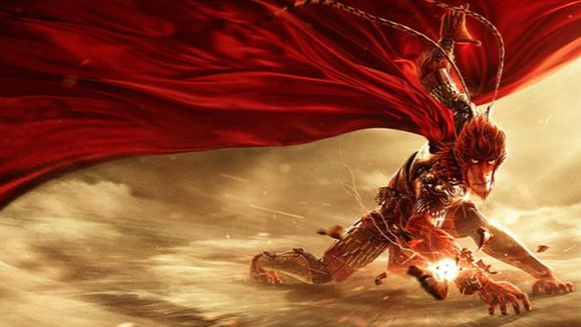
Monkey King: Hero Is Back
Introduction
Monkey King: Hero Is Back is a renowned Chinese animated film that centers on the legendary character Sun Wukong, also known as the Monkey King, from the classic Chinese novel Journey to the West. Released in 2015, the film revitalized interest in Chinese animated storytelling by presenting a fresh perspective on a well-known mythological figure, combining traditional Chinese cultural elements with modern animation techniques. The movie follows the Monkey King as he emerges from a long imprisonment to embark on a quest to save a young boy and his village from evil monsters. The film's narrative, coupled with its groundbreaking visual effects, has made it a seminal work in the landscape of Chinese cinema.
Production
Development
The development of Monkey King: Hero Is Back began as an ambitious project to reintroduce the beloved character of Sun Wukong to a new generation of audiences. Directed by Tian Xiaopeng, the film was born out of a desire to create a high-quality domestic animated feature that could compete on an international level. Tian Xiaopeng, who made his directorial debut with this film, sought to modernize the legendary tale by blending it with contemporary storytelling techniques. The development process was intricate, requiring meticulous planning and a dedicated team to bring the vision to fruition. This careful balance of traditional and modern elements played a crucial role in the film's widespread appeal and commercial success.
Animation Techniques
Monkey King: Hero Is Back employed cutting-edge animation techniques that were integral to its visual storytelling. The film utilized 3D animation to create immersive and vibrant visuals that brought the mythical world of Sun Wukong to life. The animation team, comprising talented artists and technicians, worked tirelessly to refine the character designs, backgrounds, and special effects. Special attention was given to the fluidity of motion and the intricacies of character expressions, ensuring that the animation resonated with audiences both visually and emotionally. The use of advanced CGI technologies allowed for dynamic action sequences and intricate detail, setting a new standard for Chinese animated films. The technical prowess demonstrated in the film' animation contributed significantly to its critical acclaim and commercial success.
Music
The musical score of Monkey King: Hero Is Back played a pivotal role in enhancing the emotional depth and cultural resonance of the film. Composed by renowned musician Zou Ye, the soundtrack blended traditional Chinese instruments with modern orchestration, creating a sonically rich and engaging auditory experience. The music not only complemented the visual elements but also underscored key narrative moments, amplifying the emotional impact of the story. The use of traditional melodies connected the audience to the cultural roots of the tale, while contemporary arrangements provided a fresh and dynamic listening experience. The film's music was well-received by audiences and critics alike, contributing to the film's overall success and its status as a landmark in Chinese cinema.
Release
Marketing
The marketing strategy for Monkey King: Hero Is Back was instrumental in its box office success. The film's promotional campaign utilized various media platforms, including social media, to generate buzz and anticipation ahead of its release. The marketing team crafted a series of engaging trailers, posters, and behind-the-scenes content that highlighted the film's unique blend of traditional storytelling and cutting-edge animation. Special events and partnerships were organized to reach a broad audience, from young children to adults familiar with the classic tale. These efforts were bolstered by positive word-of-mouth and strong reviews from early screenings, which helped to build momentum leading up to the film's premiere. The strategic dissemination of promotional content ensured that "Monkey King: Hero Is Back" captured the attention of both domestic and international audiences, contributing to its record-breaking box office performance.
Box Office Performance
Upon its release in July 2015, Monkey King: Hero Is Back quickly ascended to the top of the box office charts, becoming the highest-grossing animated film in China at the time. The film's performance exceeded expectations, grossing an impressive amount and setting a new benchmark for domestic animated productions. Its success was attributed to the film's engaging narrative, high-quality animation, and effective marketing strategies, which resonated with audiences across China. The film's box office triumph demonstrated the potential for Chinese animated films to compete with international releases, reinforcing the viability of the domestic animation industry. "Monkey King: Hero Is Back" not only captured the hearts of viewers but also paved the way for future Chinese animated films to gain recognition and success on a global scale.
Cultural Impact
Monkey King: Hero Is Back had a profound cultural impact, both within China and internationally. It reinvigorated the mythological figure of the Monkey King, presenting him in a modern cinematic context that appealed to contemporary audiences. The film's success highlighted the rich potential of Chinese folklore as a source of inspiration for animated storytelling. It also sparked renewed interest in the cultural and historical significance of Journey to the West, encouraging further exploration and adaptation of Chinese literary classics. Additionally, the film's achievements inspired a new generation of Chinese animators and filmmakers to pursue ambitious projects, contributing to the growth and global recognition of the Chinese animation industry. Monkey King: Hero Is Back stands as a testament to the enduring appeal of Chinese mythology and the transformative power of animation as a medium for cultural expression.








